|
 |
|
Approach to Globalisation Globalisation by a firm entails locating activities in many nations to take advantage of low cost factors, market access and other advantages, evolving global strategies for global business. The global firm can also form alliances 'with local firms or state-owned corporations in home countries to add to their own strength or setup their own joint ventures or subsidiaries. Depending on the size, background and experience of the firm, there are various stages through which a firm must pass before it can achieve the optimum global efficiency enjoyed by large firms that have already been operating multinationally. Thus the strategy for the globalisation for a medium-sized firm from a developing country and that for a full-fledged multinational would be quite different. There are four basic factors. however, that determine the crucial organisation forces that affect a firm's-ability to formulate and implement global strategy. These are :
One early example of a firm going global is Crown Cork and Seal in Philadelphia which reorganised its operations over three decades ago, taking the strategic decision to locate manufacturing facilities closer to its customers. This enabled the company to sustain growth over time, despite its being in an area of business that employed relatively low technology. Another interesting if less successful case is that of Whitmore Braedy, a British company that made car components and that was well known for car locking mechanisms. This company also decided to expand and set up operations outside the UK to capitalise on European markets. A unit in France was established Ay purchasing a local company and taking advantage of local Subsidised loans and interest rates. As the local company was an existing operation, the local management was expected to run the company. Unfortunately the financial grants and benefits received from the French government and banks were not enough to meet financial requirements. Moreover, the French management did not manage to adapt to new products satisfactorily, and the French accounting system, incompatible as it was with the British system, did not anticipate the coming crisis. The company narrowly escaped bankruptcy when Swiss bankers bailed them out with additional funding. However, after years of losses in the subsidiary, matters turned around to a point where eventually during a period "cession in England, it was the subsidiary that sustained the parent company. The driving force of domestic firms to globalise may be summed up as follow:
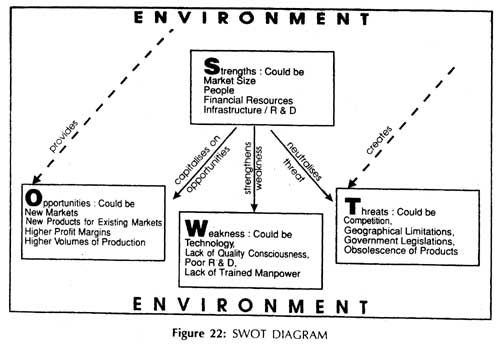
Firms aim at optimising on economies of scale by vertical integration as a result of freer access to markets, larger scale markets improved transportation systems, varying advantages in different countries, namely R & D and technological developments in highly developed countries, component manufacturing in semi-developed countries and assembly in even less developed countries. Thus they achieve optimum global efficiency through the spreading of manufacturing facilities in appropriate locations. Various manufacturers of products in the USA have advantage of Mexico's legislative systems which are conducive to the setting up of such operations, as are also the relatively low labour costs in Mexico. The advantage of shifting the location of production or of transporting finished goods is determined by the goods can be produced better and more cost-effectively. The major currencies in term of values and exchange rates can also be an accelerating factor in direct foreign investments. For instance, in the early 70s when the value of the dollar dropped dramatically in relation to other major world currencies such as the German and Japanese currencies, many German and Japa nies companies, taking advantage to producing locally in the USA, decided to set up manufacturing facilities there, rather than export. Thus, even successful exporters such as Volkswagen of Germany set up manufacturing facilities in the USA. Organisational Review from a Global Perspective History of the company Financial growth Product mix Manufacturing process technology Human resource development Competition SWOT Analysis Thus the first effort could be to create a kind of descriptive document of the company's history and from this descriptive document one could attempt to derive the company's strengths and weaknesses. What are the company's key strengths? The market size, its people, financial resources, infrastructure and R & D? Strengths could be high relative to companies in similar businesses and /or companies in dissimilar businesses. For example, if a company is highly professionally managed as compared to other companies of its size or type though not necessarily with the same product range or if it has some special qualities, these could be identified. Similarly weaknesses could be identified, e.g. in the area of technology, lack of quality consciousness, narrow vision, lack of adequate R & D, lack of trained manpower, etc. The opportunities could be new markets, new products to be developed for existing markets, higher profit margins in new territories, higher volumes of production adding up to better contribution, etc. Threats could be along the lines of competition, geographical limitations, governmental legislation, obsolescence of products, etc. An exercise could be carried out on the environment that existed when the business started and what it is today. Environment relates to government legislation, tariff protection, existing competition, infrastructural facilities that affect the business, the attitude of suppliers and buyers, the general evolution of society vis-a-vis the value systems and beliefs and how they have changed. Thus a written description of the evolution of the environment could be a useful approach. From a basic review of the company's history and physical form, a review of its strengths, weaknesses, opportunities and threats leading to a specific review of its potential from a global perspective could be carried out. Take a look at Campofrio, a well-established Spanish company in the business of manufacturing processed meats, and a leader in home market. Its chairman Pedro Ballve has recognised future profits in his company's past. Spain, opines Mr. Ballve, had nothing close to a third world economy just a few decades ago. That experience has left the 42-year-old company with particular know-how that Campfire can use to competitive advantage in today's emerging markets. What would be termed as "over processed" in contemporary Western Europe for example, would guarantee retailers in these emerging markets (such as Russia, Mexico and the Philippines) that the products' shelf life is long enough to survive their slow, labyrinthine distribution systems. For the consumer here, preservatives that would signal "not fresh, not pure" to the European consumer, mean measurement that the product is less perishable in a world where refrigerators are often hit by power failure, or where there are no refrigerators at all. Campofrio's marketing in these developing economies will be shaped by lessons of the old days in Spain. "The consumer of 20 years ago here wasn't as educated, you had much greater scope to influence tastes," Mr Ballve points out. Environmental Scan It is quite paradoxical that research and information generated by companies for domestic corporations is far greater than it is for global operations. This is because over a period of time companies get familiar with their home territories and gather information and data, carrying out research in the existing and known markets home. It would then seem better to spend more time and effort or overseas markets and overseas businesses and carry out research there prior to venturing into business. However, this is easier said than done. For example, there may be a hundred alternatives for a company venturing out of a country like the USA. Each alternative analysis and feasibility study may cost anything between US$50,000 to US$500,000. Thus the cost for carrying out a comprehensive global search for a hundred possible alternatives would be astronomical. In relation to the potential benefit the scale of the operation renders such an alternative even more cost ineffective. Thus, quite often, companies resort to guesstimating instead of carrying out a comprehensive and thorough research. There are also other means of carrying out thumb-rule research, such as desk analysis, buying reports or appointing low-cost consultants or seeking out entrepreneurial judgement to supplement the efforts of such research.
By comparing the levels of economic development and consumption or utilisation of various countries, one can try and estimate demand. Thus if one finds that ten countries with different levels of economic development have a certain number of cars, one can predict the relationship between the country's per capita income and cars. Sometimes these relative comparisons may not accurately reflect the situation. Thus in the case above, a country with a good public transportation system and low population may have a number of cars not in keeping with the level of per capital income, as in the case of Switzerland. Regression analysis is another useful method for carrying out demand estimation. Given a relationship between say growth in per capita income and an increase in the number of television sets, one can examine these two factors in a particular country, and on the basis of projected growth of income extrapolate the future trend vis-a-vis increased consumption of television sets. Variations in this trend may also occur, on the basis of other factors such as technical developments, changing product features and evolving consumer tastes. For instance, one may have carried out a study for black and white television sets and suddenly found that the technical advent of colour television sets has rendered black and white television sets less important. Preference and taste variation may take place causing such similar changes in demand estimates and actual demand. This is of course more likely for consumer products linked with fashion or which have a hi-tech base. Elasticity of income is another area of analysis one can examir to assess demand. By assessing how much of the average incorr of the majority of the population is spent on inelastic items sue as food, clothing, shelter and medical aid, one can assess the residual income as the one that can be expended and which elastic. Sometimes proper analysis cannot be carried out due to the limited availability of reliable data on subjective areas such business practices. This is particularly true in view of the fact that the type of data expected to be found easily, say statistical information, is often not available in many developing countries. There are a variety of sources of information such as external source firms that provide specialist information, international organisations, individual reports prepared for a specific industry or sector, government departments, consulates and departments of commerce, as also personal interviews and personal surveys. Using business school students or associating directly with a business school to conduct research in specific areas could be one low cost yet professional means of supplementing the information required. Subjectivity in Decision Making Often, managers do not carefully analyse all opportunities globally tut proceed on the basis of cultural preferences. For instance, western countries prefer to invest in western countries, in countries iere colonial ties exist or in countries where they have had experience, exposure and where they have traveled as tourists. My companies do not carry out a systematic evaluation of various foreign investment alternatives. Thus, if a company in North Africa wants to go to South America, it may not consider the best possible alternative for locating in South America but may carry out a study for the possibility of, let us say, locating an plant in Brazil. On the basis of whether that plant and its prospects meet with the company's objectives and needs, they would consider whether to invest or not without actually carrying comprehensive study of alternatives of investing in various Latin American and other countries. This is so as it is not only a matter of cost but also the time intervals which could cause a delay in implementation. For instance, if a company does an investment opportunity analysis in one country, it may require a few months more to carry out the same in various other countries, losing opportunities in the process. Financial computations also get complicated as to whether the computation should be on the basis of the returns of the company, the net returns to the investors, the amount that can be eventually remitted, etc. The scenario should also be planned so as to take into account any devaluation of currency in home countries and host countries and possibly what the net returns would be over a period of, say, 10-15 years. Most investors set a minimum criteria and accept or reject foreign investment on that basis. Reinvestment decisions are usually more easy to make because they generally entail a need to protect existing investments and hence the variables and alternatives are limited. Regional/National Survey Before embarking on a global project, organisations should identify global regions or groups of countries that are target prospects for globalisation opportunities. Looking at markets globally, it is essential to priorities and identify opportunities across regions. This entails looking at unfamiliar regions, say Africa and Latin America, South East Asia, etc., and then identifying target countries in each region. It also involves reexamining known markets to locate untapped regions. For instance, even for a US firm, the USA is a collection of regional markets and each state has its own opportunities. Establishing and maintaining a database on target countries is part of good long term strategy. Japanese trading, companies store in computers enormous data on many countries for possible future use. Competitive Analysis/Risk Assessment of Countries National competitive analyses of patented target countries can be, carried out using the World Economic Forum and the International Institute for Management Development (WEF/IMD) method outlined in the previous chapter. A country risk assessment could be carried out using various possible methods to do so. A good method is the Asian Business Investment Risk Indicator which uses a broad range of political and economic factors to, give an assessment of risk potential. Scores out of 10 are allotted to each criterion and then totaled. The higher the score, the lower the risk. Three of the categories are derived from simple calculations based on hard economic data. The first is inflation. The score remains at 10 for levels of inflation up to 1.99 per cent but thereafter one point is deducted for every 2 per cent rise in the inflation rate. The interest rate score is calculated in the same way. The third calculated score, the economic growth category, is worked out by starting at and adding a point for every I per cent of estimated GDP growth up to 10. Scores for political volatility, the threat of armed aggression, government intervention in business, bureaucratic impediments, labour strife, shortages and infrastructure are decided by panelists on the basis of their assessment of past and future trends. Individual scores can be merged or a consensus arrived at. Finally there is a business confidence score based on a survey, the index of which is divided by 10. In the hypothetical example that follows, Country A would be considered a better investment risk since its score is 37 out of 50 - a percentage of 74 as compared to Country B whose risk potential is high with a lower score of just 52 per cent. When applying the Asian Business Risk Indicator to groups of countries with high inflation and interest rates, it becomes necessary to adopt this method. A country with an inflation rate in excess of 20 per cent, for example, would be rated at zero (given the deduction of one point on the scoring scale for every two percentage points of inflation). A country with an inflation rate of 30 per cent would also score zero according to the method. A couple of approaches may be used to get around this problem, while retaining the relevance of the rating method. One is to increase the base figure applied from the norm of 10 to say 15 to allow for a meaningful comparison. In the other approach, one can change the rate of deduction points, for example, instead of deducting one point for every two percentage points of inflation, one point may be deducted for say every five percentage points of inflation. Allowing for negative scores on the same rating system may seem yet another way out of this particular problem, but it must be remembered that negative factors would offset the other positive factors involved, giving it excess weightage and having adverse impact on the overall score. One also needs to consider the possibility of altering this weightage of different factors depending on the groups of countries in question, and providing a cut-off point beyond which a country becomes unattractive as an expansion option, if for example it has runaway inflation rates. Another limitation in the application of the above model is that it takes into account only three key economic indicators. The other key factors of national competitiveness should also perhaps be considered to make a more comprehensive evaluation of the risk levels involved in the country. Some additional parameters that can be used in the risk evaluation model are per capita income, stability of currency, savings rate, size of economy, trade performance, etc. In the developed world some of the countries that could be good future areas in terms of market potential, are countries like Australia, New Zealand, South Africa, Finland, Austria and Norway, as these countries have not entered the international business arena as actively as map theirs have. They have high levels of development, however, and inspite of their small size, they also have high incomes and high purchasing power. Thus, they would be good target countries for exports, although they do resort to tariff protection. A way out could be setting up joint ventures with these countries for both domestic consumption and for exports from these countries.
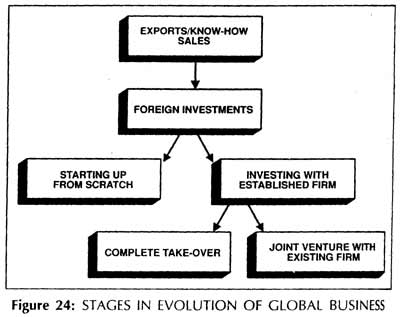
Figure 23 : COMPETITIVENESS COMPARISON Changing political conditions often causes the companies to change their locational plans or relocate. For example, with the glut of oil and the drop of prices combined with the increase in tension between the US and Libyan governments in the early 80s, Exxon and Mobil decided to pull out of Libya, while many smaller companies decided to stay as the benefits outweighed the costs. Various countries in Latin America have different kinds of violence and risk associated with them. Countries for instance like Venezuela suffers from street-crimes and car-bombs. This does not exist in countries like Brazil and Mexico where white-collared crime and data theft is high. Here companies are often faced with structural destruction by sabotage. This results not only in extensive loss of productivity but also at times in ransom demands. In peru, the Shining Path Guerrilla Movement has killed hundreds of thousands of people and cost the country billions of dollars infrastructural damage. In the next few decades, Indonesia will see major developments in its social, economic and political fields. Population control measures are expected to curb the growth of population. Inflation is expected to be within limits and per capita income is expected to double. The growth rate is expected to be over 5% for sustained for a number of decades, thus bringing about a great deal of economic prosperity. This is expected to be brought about by a great deal of foreign investment and there are great plans for a structured and a well-developed social order with the government providing infrastructure and education, and encouraging private enterprise. Selection of Regional Headquarters In the process of selecting a city for a regional location, various factors need to be considered and compared, some of which are the cost of space, office and residential, the time required for commuting, public utility services, distances between office and residential areas, the cost of infrastructural facilities such as electricity, the efficiency of communication systems. The distance between office and the airport and key business areas such as ports and other relevant points, the location of government and other relevant offices, etc. also need to be considered. If Bangkok, for example, is shortlisted, it may well turn out that positive factors such as relatively low cost of operation may be outweighed by the fact that Bangkok is one of the worst cities in the world for traffic congestion. Singapore, on the other hand, would do well on all parameters. Foreign investment itself sometimes brings new problems to a country, in a manner of speaking. In Beijing, for example, the DFI boom has led to a shortage of flats and houses for expatriate managers. Though the real estate shortage is not as serious as the earlier one in the mid-1980s, the increased pace of foreign investment has resulted in the plummeting of appropriate accommodation and the consequent skyrocketing of rents. New real-estate developments are coming on-stream, but not fast enough to meet demand, and by the end of the decade, living space may be hard to come by in Beijing. Negotiating with Governments Owing to a relative lack of experience in negotiations with foreign countries, very often professionals in developed countries assume trends to be similar to those at home. Frustration often results when they find that appointments are not kept and meetings are often adjourned or that there is a comparative lack of flexibility in the host country. Thus a great deal of patience is required during negotiations and to understand the areas of common give and take. It would be best if firms understand from other similar firms general ground rules so that they do not make demands that unlikely to be met, and are at the same time aware of what concessions the government makes during the process of negotiations. One must also keep in mind the cultural behavioural factors in negotiations. The Japanese, for instance, never say no, negotiations are prolonged and protracted, and face-saving is very important as they negotiate in groups. Thus making proposals in writing and giving time for thinking and interactions is a useful method of making negotiations in Japan. At times, individuals involved in the negotiating process are effected by their own cultural and other backgrounds and this impedes negotiations. One should hence try and find positively oriented negotiators or people with the right thinking and try to cultivate them, thus developing a process of negotiation that is mutually productive. In the event of negotiations breaking down, it is important from the public relations point of view, that the firm makes sure the reasons for the negotiations breaking down and its position in the local environment are clearly understood. In the event that the firm decides to return, an earlier failure will not be negatively perceived. Thus a public relations exercise is called for even when negotiations break down. Industry Survey To evaluate the potential of an industrial sector, one needs to first evaluate the global background and thereafter review the overall state of the particular industry in the host country. The reason is that with increasing globalisation, the impact of one particular industry in one country has a growing impact on the industry in other countries around the world too. For instance, what happens to the steel sector in Germany impacts the steel sector other countries, what happens to the textile sector in Japan has an impact on textile sectors in other countries. Similarly, in the field of electronics, developments in the USA have an impact on the electronic industry worldwide. Government's attitude Evaluate the attitude of the government in the country in question to the particular industry. Are there, for example, incentives being given, or are there impediments involved in the development of that particular industrial sector, say in the area of taxation? Level of technology Review the current level of technology employed by the host country vis-à-vis state-of-the-art technology available globally and investigate the extent of local R & D carried out and the level of investment in R & D within the country. Demand assessment Study the position of the major players in the industry and their respective market shares to understand whether there are monopolistic or oligopolistic situations. This should be supported with a detailed demand analysis after taking into account the existing capacity and new projects on the anvil. Rivalry between existing competitors as well as the sharpness of competitiveness and marketing efforts would give an indication of the nature of competitors and the demand/supply situation. Thus when Coke seeks to enter a market where Pepsi already exists, it is necessary to review a whole new area. Supporting industries Review the availability of the related and supporting industries and ancillaries and their levels of sophistication. Industry dispersal A geographic analysis of the industry dispersal should also be made. Discerning level of buyers Analyse how discerning buyers are. Consider the trends of the assuming sector in order to plan for the appropriate levels of the product in terms of sophistication of product characteristics. Products should not be rendered obsolete in a short while, and modernization should be planned for. Competitive advantage Investigate whether it would be possible to achieve competitiveness and whether one possesses a competitive advantage in the from of either lower costs or differentiated products that command premium prices. Also, investigate if the firm will be able to maintain advantage and achieve more through better quality products licorices or more efficient production. Existing competitors New competitors Investigate the possible threat of new competitors, their arrival limits, their overall profit potential in the industry, as new competitors bring new capacity which sometimes means new product features, thus putting pressure on margins and market share. Competitive strengths of suppliers and buyers Survey the competitive strength of suppliers in terms of reliability of suppliers and their dependence on the firm as well as other options of purchase available to buyers. Substitute products Investigate the threat of substitute products that exist for marginal buyers to switch to these, limiting price flexibility. Stages in Globalisation Small firms could evolve globalisation in stages: Exports: For small and medium firms from various countries around the world, especially developing ones, the stages of globalisation are a slow, step-wise process that could take the form of initially testing foreign markets by exports. The firm can use existing spare capacity with limited commitment of additional resources. Before venturing into exports, however, the firm has to be sure it meets all conditions for successful exporting such as a profitable domestic business. A firm has to take careful stock of the opportunities and resources available, it must have a product that is not only suitable but also adaptable to the foreign market, and it requires the necessary commitment and experience to follow through. A beginning can be made with export of the domestic company's products to the host country and then link up with local dealers and distributors of the host country. Know-how sales: These can" be made through licensing, franchising, management contracts, contract manufacture and technical assistance agreements. Though there is little or no movement of goods involved and the principal rarely has any capital investment, substantial investment is needed in research and development in the home country to keep up to date with world technology. Simply put, licensing is a relatively easy way for a manufacture to get involved in an international market. In this arrangement the sensor enters into an agreement with the licensee in a foreign country, granting the right to use a manufacturing process, a pattern trade mark, a brand, etc. Thus the licensor gains an entry into the market while the licensee benefits from the expertise of another firm's R & D, without having themselves to starts from scratch. Coke is a case in point, carrying out its global development strategy by franchising bottlers, giving them the right to produce in their own home countries, but supplying the main patented syrup from their own plants. Yet another method is contract manufacturing where the firm engages a local manufacturer to make a product on their behalf as per given specifications, design etc. Thus Sears Roebuck department stores in Spain and Mexico carry goods manufactured locally under Sear supervision. Some of the key conditions requiring attention in the export of know-how agreements on the part of the part of the seller are feedback systems, insurance against non-payment, the allocation of sail territories, safeguarding of patents and trade marks, time limits the agreements, the security of confidential information, the conditions of sale, market segments, etc. The main disadvantage in these types of arrangements is the there is no real guarantee of protection of know-how in man developing countries'. Despite several agreements in the form copyright, trademark and patent laws, it is usually difficult and expensive to resort to legal recourse. Quite often, while the licensor feels that it is not adequately compensated, the licensees are governments also complain of being overcharged, especially after the benefit has been received by them. Conflicts in licensing can happen at various times in the life of the agreement. For example, an American producer had a French licensee for 30 years. The French licensee was quite capable had developed the French market well. When the Common Market eliminated European borders, the French licensee went at marketing the product in the other countries of Europe however, was in conflict with other arrangements that the licence had in- some of the other countries. However, in this case, as licensor was satisfied as to the way the licensee had develop the French market, the agreement was not terminated. Coke has a full-time legal department to concentrate trademark infringements as billions of dollars could be lost thorough misuse of an intangible asset. Given the different attitudes by countries toward international protection to a firm's intangible assets can only come through international cooperation agreements that are being worked on. Foreign Investment/joint Ventures: The third option is by investment. When exports cease to be viable due to government restrictions, or when volumes warrant manufacturing in the host country, the organization may opt for direct investment abroad. It can then join hands with an existing business with a similar product line by buying over shares or by establishing a joint venture of one of the various types described earlier. A firm could also take over an existing business. When Pierre Cardin, for example, enters new markets in different countries, the company often buys into existing manufacturers, providing Cardin designs and the brand name. The takeover route provides a going concern and avoids the problems of starting from scratch in an unknown environment. The other advantage is that a takeover brings a readymade market, a distribution network and generally a sales team already in operation. Some firms on the other hand may prefer to deal with the teething troubles of a new venture rather than worry about integrating into an established firm. This approach permits more freedom with no commitment to existing staff and techniques. Small firms with low technology and no brand image prefer a going concern whereas a firm with a technological / brand image advantage is likely to start from scratch. Thus, generally speaking, international companies have developed overseas business on the basis of experience gained in Deal regional markets. Foreign business is developed gradually and incrementally as the process of learning increases. However pressures to globalise on account of saturation of competition in home markets, national regulations, etc. spur the process on opportunities also emerge on account of changes in the economic policies of various countries of which a firm can take advantage thus enabling a quantum leap in business growth and speed of globalisation. Obviously this route is fraught with risks and the process must be carefully handled.
A variety of forces are driving companies around the world it globalise by expanding their participation in foreign markets Whether to globalise and how to globalise have become some of the key issues before managers around the world. The intemational market, growing due to the falling of trade barriers, the opening up of new markets and the development of inter-region trade agreements are contributing to the increasing globalisation of business. Michael Porter in his book, Competitive Advantages of Nations and Kenichi Ohmae in his book, The Borderless World, have comprehensively dealt with various aspects of effective strategies for globalisation by both nations and firms. Companies are integrating their worldwide strategy in contrast with the earlier multinational approach whereby companies set up subsidiaries to design, produce and market products tailored the needs of particular countries. A company that wants to globalise needs to do the following:
Truly global companies must view even home country, and not only foreign operations, as global operations, thus ensuring that home country operations are not given undue pre-eminence. Thus, in a truly global setting, it is the needs of the business that determine decision making, and particularly as global operations grow in volume and value, the importance of the origin of the firm may be reduced. When the area of comparative advantage faces severe competitive threats, many companies successfully diversify into dated fields of business through acquisitions and mergers, and sometimes through even totally new operations. However, this more likely to succeed when opportunities emerge in new markets because of new legislation and new economic policies where lid of implementation and the ability to see such opportunities and to seize them is vital, and where returns can be quickly recouped before competition emerges. Professor Nancy Adler, in her book Human Resource Management : A Global Perspective, Human Resource Management International Comparison, defines the globalisation process as being an evolutionary one. She describes four stages whereby purely domestic company becomes international, then multinational, and finally global. These four stages can be characterised by developments in various aspects of the company : its strategy, its technology, its market and its organisational structure. In the first phase, companies focus on domestic marketing reaching for the state-of-the-art to compete with domestic competitors in an effort to service domestic customers and need The structure here is functional, the product is unique or new, the competitive strategy is domestic and on the basis of propriety technology, with high profit margins and few domestic competitors. In the next stage, the companies begin by exporting their products and then manufacturing these products in countries with lower costs. World business now becomes important and the market too gains significance. Technology is shared with local manufacturing bases and profit margins generally continue to be quite high, while competitors increase to some extent. With evolution to the next stage viz that of a multinational company, manufacturing and market opportunities are increasingly optimised with more sharing of technology and R & D. Pressure on profit margins, however, begin to grow and competition is more marked. In the final stage, the company goes truly global with mass customised products. Strategy becomes very important, and the emphasis is on product and process engineering, and production and raw material sourcing in centres of least cost. Major strategic alliances and joint ventures develop, and in time the company's own identity becomes indistinguishable around the globe. Examples of various companies in this category are IBM, McDonald's, Ford, Shell, Philips, Sony, Unilever, etc. As a result of growing global competition, the Parker Company, in the early 80s, cut the number of types of Pen manufactured and also reduced the number of its plants worldwide. A global marketing strategy was adopted to standardise advertising and packaging. Some of the proposed changes met with resistance and the company had to undergo various changes in the top management of some of the subsidiaries to effectively reorganise. A good example of global integration is General Motors whose global operations were initially run more as independent national subsidiaries. However, when key competitors such as Ford started globalising and integrating. General Motors was forced to fall in line. Thus in the mid 70s, various independent subsidiaries were brought more closely together through better coordination, integrating them more as global operations. As a leader in the consumer tool market for decades together, Black and Decker was a company that paid little heed to global integration. Growing competition from Japan compelled the company to re-organise and to develop an effective global marketing strategy. Honda has manufacturing divisions in Japan, North America and Europe - all three legs of the Triad, but its managers do not think or act as if the company were divided between Japanese and overseas operations. 'Overseas' is a concept that has no place in Honda's vocabulary, the corporation merely sees itself equidistant from its key customers. At Casio, top managers gather information directly from each of their primary markets and then sit down together once a month to lay out revised plans for global product development. Cost Effectiveness in a Global Corporation The advent of greater automation has rendered the cost of labour a less important element of the total cost of production a manufacturing has become more of a fixed cost activity. In a variable cost business, the main objective for the manager is to increase profits by controlling the cost of materials and wages where as in a business where fixed costs are more relevant, the emphasis shifts to sales. This necessitates a look at larger globe markets. A global corporation should make its costs independent of home country currency and on par with competition in the host country Cheaper sources of raw materials from other parts of the world - an avenue which may not be available to the local manufacturer should be used to the maximum. The strength of a global corporation should be that it understands local customer needs and at the same time should be able to rely on global management financial and technological resources. Making use of the potential benefit of these economies of scale. Sony Corporation has concentrated its compact disc production in Terre Haute, Indiana and Salzburg, Austria. Economies of Scale of Manufacturing All large international manufacturers going global have to evolve their own strategy in respect of optimising global manufacturing and deriving economies of scale. With global integration it is possible to eliminate unnecessary processes, take advantage of low cost manufacturing centres for components, set up assembly lines in these centres and sell globally using advanced information network systems. In the early 1980s, Xerox began to rethink their structure the objective of cutting inventory and manufacturing costs as delivery lead time. A strategy for global integration was worked out. As competition increased from Canon and Ricoh, Xerox accelerated the implementation of the process of global integration for raw material supplies, quality programmes, the standard manufacturing process and delivery systems, which enabled company to regain its competitive edge. Methods for Enhancing Competitiveness Computer Integrated Marketing: By computerising marketing selling logistics and linking them with the after-sales service team and also to warehousing and delivery, an integrated system is created right from the processing of orders to delivery to servicing. Thus the chances of enhancing customer satisfaction are increased. For service industries, computers can greatly enhance the ability to provide better quality service. Wastage Control: Being conscious of quality management, firms are becoming more conscious of controlling wastage in raw material consumption, scrap, recycling, etc. Recently Proctor & Gamble redesigned the package for their new deodorant and were able to pack more containers per carton, thus reducing the cost of shipment. Partnerships with Suppliers/Distributors: By developing partnerships with vendors, global companies are helping to improve the quality of subcontracted products as also lead time for supplies. Thus a vertical integration sets in by the development of partnerships with distributors on the one hand and vendors on the other, without a firm having to go through the expensive process of acquisitions and mergers. Automobile manufacturers in the USA and Japan such as Honda and Ford have used this strategy effectively. Team Incentives: The concept of team incentives, long since adopted by several Japanese companies, replacing individual incentives, improves quality as a sense of pride and fellowship developed in the teams. Material Substitution: By material substitution improving production processes, reformulating products, vendor development and sourcing more components from vendors, companies are succeeding in reducing overhead costs. Reducing Cycle Time: Reducing the cycle of time can be one of the most effective ways to reduce cost and improve profitability. TV and Joint Selling: Companies have found that selling through television promotion and co-promoting other firms' products reduces sales and advertising costs. Understanding Human Differences for Effective Globalisation Physical Differences: Physical appearance is one of the first differences one sees in humans. This includes general height, weight, form, body, colour, hair. One further differentiates between humans through blood type, resistance/susceptibility to certain diseases, etc. Physical differences determine for instance, the possibility of standardising the manufacture of clothing and shoes. Demographic Differences: Demographic differences exist between countries. These relate to the population, the growth in population, urbanisation, the level of literacy and education, the level of technical/management education and the mobility of the population. These differences can cause great variations in available markets. Age Distribution: This is another important demographic characteristic. In some countries, there are many people of a higher age group like in Japan and in some the lower age group is predominant as in Cambodia. Thus target audiences can be quite different from country to country. Class Differences: The class structure within groups and the barriers within various classes prevent interaction. Classes may be economic, religious or based on cultural history. The knowledge of these sensitive differences can be very useful. Motivation: Attitude to work is an important characteristic. Max Weber, the German sociologist has emphasised that Protestant countries have made greater economic progress because their work ethic is high. Work motivation is different between north and south Italy, for example, and in Italian and German partnerships. Maslow's hierarchy of needs, in which the basic physical needs of survival are followed by needs of safety, social standing and pelf-esteem in society, vary in their application from country to country, even in the developed world. For instance, the need for self-realisation may be greater in European countries whereas the need for social standing may be higher in America. Thus understanding these facets of human behaviour largely determine that one can expect from one's employees. Trust: Trust is another very important element of human behaviour. In some societies, a handshake is enough to make a is deal whereas in many others the written contract prevails. Beliefs : Fatalistic societies again have different attitudes and outlooks towards life. The world outlook of Muslims, Hindus, Buddhists and Christians differs and their religious beliefs often affect the work ethic. Family Structure: With traditional joint families giving way to urbanization and nuclear families, people have switched over to different lifestyles and value systems. Thus family structure also affects lifestyles. Morals Etiquette : Morals play an important part in understanding ways of life. Etiquette also varies from country to country and need to be understood. For instance, gifts may be considered in some countries while in others will be considered as related to etiquette. Thus an understanding of the sociological structure and other differences of society helps global businesses. Ethnocentrism versus Polycentrism: Ethnocentrism is trying to adapt one's own cultural background to various diverse situations in the world. In polycentrism it is doing the reverse, i.e. adapting the home country's methods, ways and values to local society opting for adaptation to local systems and ways. One should guard against both ethnocentrism and polycentrism and try to work towards a balance between the two. Globalisation Strategies: Some Examples Some of the earliest examples of multinational companies operating in the world were European rather than from the USA. Two decades ago the major companies that were known as multinational companies were Nestle's from Switzerland, Royal Dutch/Shell, Britain's Unilever and Imperial Chemical Industries and Phillips from the Netherlands. However, several multinational and global companies have since developed and some of the successful once are briefly discussed below. XEROX - TECHNOLOGICAL ADVANTAGE With no single nation commanding technological advantage, world companies search the globe for leading scientific and design ideas Xerox has introduced some 80 different office copier models the USA that were engineered and built by its Japanese joint venture, Fuji Xerox Co. Fuji Xerox is a very successful 50-50 arrangement between Rank Xerox and Fuji film, which earns high profits on its $3 billion annual sales and attracts some of the best people in Japan to work for it. Equally important, it has enough autonomy to get actively involved in such new areas as digital imaging technology, even though both parent companies have strong interests there themselves. The head of Fuji Xerox, Yataro Kobayashi, who is the son of the founder of Fuji Film, sits on the board of Xerox, which has benefited greatly from Fuji-Xerox's experience in battling the Japanese companies that have attacked Xerox's position in the mid-range to low-end copier segments in the USA. ERICSSON Ericsson, a Swedish company, has been in the global arena in search of new markets fora long time. It believes in tapping local technologies, adapting them for local requirements and also exporting them globally to the group's advantage wherever applicable. For example, since the Australian subsidiary has close links with academic institutions, it plays a leading role in R & D whereas information technology is handled out of Stockholm where the level of know-how in this area is high. UNITED TECHNOLOGIES CORPORATION - EFFECTIVE GLOBALISATION Being deployed globally helped Otis Elevator Inc., a unit of United Technologies Corporation, develop the customized Elevonic 411 at the lowest possible cost. The elevator, programmed to make cars available to floors where demand is high, was developed by six research centres in as many as five countries. The Otis group in Farmington, Connecticut, handled the systems integration group in Japan designed the special motor drives that make the elevators ride smoothly, France perfected the door systems Germany handled the electronics, and Spain took care of the small geared components. Otis says the international shuttling saved plan $10 million in design costs and cut the development cycle from four years to two. SONY AND HONDA - JAPAN'S TRULY GLOBAL FIRMS The Japanese manufacturers that come closest to being stateless are Sony Corporation and Honda. Sony earns approximately per cent of its revenues internationally and keeps a loose rein on its far-flung operations. Chairman Akio Morita is constantly cultivating a corpus of international managers so that Sony can better understand foreign markets. Sony was the first large Japanese manufacturer to name foreigners, one American and one Swiss, to its board. Honda, which sells more cars in the USA than in Japan has set up largely independent design, production, and sales operations in North America. The company's Accord station wagon was designed at Honda's California studio and engineered and built in Marysville, Ohio. But the technology came from Honda research and development centre in Tochigi, Japan. HEWLETT PACKARD Hewlett Packard is an example of a well-integrated global that has manufacturing chains from the USA, where they employ highly qualified and high-skilled workers to low wage workers assembly plants in India and Malaysia. GENERAL ELECTRIC General Electric centralised a large amount of its audio products manufacturing in Singapore, a very sophisticated centre with of the nest infrastructures in the world. This base acts as a focal point for distribution in the region for General Electric's globalised operations. MATUSITA Matusita is a company which has a wide range of production facilities covering various products in almost 30 countries worldwide. DOW CHEMICALS - RELOCATING Some world companies make frequent decisions on where to shift production. When Dow Chemicals found that European demand for solvent had reduced, it scaled back its production at the German plant and shifted to manufacturing another chemical previously imported from Louisiana and Texas. ELECTROLUX Electrolux is an example of a company that has grown globally through acquisitions of various companies around the world which lave been now turned around. The company succeeded in maintaining a good blend, with the merged company taking on part of the Electrolux group's character, yet maintaining its own identity. Some of these acquisitions have been White Consolidated industries in the USA, Bendex in the UK, and Zanussi Industries in Italy. Though Swedish, the group has operations in over 50 countries which employs almost 170,000 people, of whom less then a quarter are Swedish. Similarly, its global sales comprises more than three quarters of its total sales. Electrolux's household appliances division constitutes a major area of activity and turnover. Yet the company has diversified into areas as varied as car seat belts, professional catering equipment, aluminium smelting, laundry services, garden appliances, farm machinery, industrial sewing machines, etc. It has taken advantage of its global strengths to integrate its global resources and optimize use of global markets, global finance and global manpower. For example, one of its refrigerators was designed in Italy, initial production and trial runs were carried out in Sweden and Finland, and the product was finally manufactured and sold most in the USA, with marketing support from the UK. Electrolux's organisational structure is quite flexible, but finance is rigidly controlled. A great deal of emphasis is placed on interactions, extensive travel and informal communications, for better mutual understanding between headquarters and various operating units. ASEA BROWN BOVERI - A PROFILE OF A SUCCESSFUL GLOBAL FIRM An example of a truly global organization is Asea Brown Boveri (ABB) which has its headquarters in Zurich. It cannot be called Swiss since only a small percentage of its work force works there, nor can it be called a Swedish company since only two of the eight members on its Board of Directors are Swedes. Its financial results are reported in US Dollars and its official language is English. ABB thus has no nationality but it is a company with homes in many nations around the world. It is a global company. To maintain its competitive edge ABB makes it a point to recruit the best people and acquire the best technology around the world. ABB takes advantage by specialising in the production of components, deriving economies of scale as far as it can, and rotating managers and technologists around the world to share expertise and solve problems. ABB does not want merely to be just successful, it wants to build deep local roots everywhere. It operates by manufacturing products in the countries where they are sold, tapping the best local talent from the universities and working in conjunction with local governments to increase exports. ABB knows what core technology it has to master and draws' on the latest R & D from all over the world. It also structures its operations to push cross-border economies of scale. Its factories turn out 10 times what the European and US locomotive manufacturers do and it specialises in components for locomotives across continents. Thus specialisation creates huge cost and quality advantages as ABB works to rationalise and specialise as much as it can across national borders. ABB simultaneously recognises the limit of specialisation. To win an order for locomotives in Switzerland, it took the time to understand the Swiss concern for the environment and to understand the Alpine terrain. It then designed an engine powerful enough to haul heavy loads and an engine that was robust enough to keep working when it went from the frigid, dry outdoors to extreme heat and humidity inside the tunnels. To manage a complex unit, the structure at the top must facilitate quick decision-making and allow for careful monitoring of developments around the world. This is the work of the executive committee at ABB. Each member is also responsible for a business segment, a region, some administrative functions, or more than fee of these. They also have a transparent centre reporting system trough a management information system. Every month performance data on the 4,500 centres is collected and compared with the budgets and forecasts. It allows aggregating and disaggregating results by business segments, countries and companies within countries. At ABB there are business area managers, country managers and presidents of local companies. Each complements the other and does not compete. The business area manager, while being responsible for evaluating performances and formulating strategy based on these evaluations, does not have authority over people in any business area around the world. The country manager, on the other hand, acts like a regional line manager. While respecting ABB's global objectives, he cooperates with the business area managers not only to evaluate but also to enhance performance in their area of responsibility. The president of the local company, however, is responsible for the profitability of the company and for maintaining the goals set by business area managers. Although ABB is a huge enterprise, the work is organised into small units with profit and loss responsibility and meaningful autonomy. Operations are divided into a large number of companies with comparatively few employees. These companies are further divided into a large number of profit centres which have separate entities and real balance sheets with real responsibilities for cash flow and dividends. David de Pury, co-Chairman of the Board of the ABB Group, has this to say about global trade: "Customer focus is the key ingredient to today's rougher market environment." He feels that operational excellence is not sufficient but that permanent innovation ensures that a company stays in competition. The new frontier of competitiveness is the learning organisation in which everybody, right from the worker in the factory to the top management, is actively involved in a search for new solutions. The customer is the essential part of this search as he usually knows best what needs to change. The learning organisation involves everybody and integrates every field of activity from R & D to marketing. ABB has fulfilled two preconditions to eventually become a learning organisation - decentralising its organisation, thus delegating responsibility to the maximum extent, product and region-wise, and living according to its principle of multidomesticity which is "think global, act local". The group thus creates home bases wherever its customers are. In the ultimate learning organisation, wisdom is perpetually developed as new methods, technologies and people's needs and tastes evolve. MCDONALD'S: STAYING ON TOP McDonald's is one company that is constantly on the move to retain its position as global champion in the fast food business having spent over two decades methodically building a presence in 68 countries around the world. In a difficult international environment, where the company has had to cope with periodic turbulence in Europe's currency markets, which hit profits, and worse, face a situation in which several large foreign markets, including Japan, France and Germany have been in the doldrums, McDonald's performance has been remarkable. In 1992, it added 675 new outlets worldwide, in 1993, 900 outlets were added to the existing 13,100. All this is testimony to the strength of the system McDonald's has painstakingly developed since it was founded in 1955. By creating and building a franchising strategy that gives franchisees plenty of freedom so long as they adhere to the firm's tenets of quality, service and cleanliness, McDonald's has built up a vast pool of talented entrepreneurs to exploit its brand. Two-thirds of the new restaurants McDonald's is opening are overseas (the first such opened in 1967) and while many such been set up in established markets such as Britain, McDonald's growing in emerging markets as well. One of the chain's seven restaurants in Poland holds the world record for first-day sales, having served 33,000 customers! Expansion in Asia is equally fast In China, 15 new restaurants a year are targeted to open, starting 1994. As the company globalises, it has subtly changed the way it is run. Until recently, the company was a loose federation of independent local retailers who happened to market the same product. Now the need to coordinate activities on a regional or even worldwide basis is growing. McDonald's management is therefore attempting to profit from the internationalisation of the system without destroying in the process the decentralised policy that has made it successful. One way to do this is to transfer know-how from a develops market to a developing one, as from Hong Kong to China. Working with Chinese farmers over the last few years, the Hong Kong team has gone so far as to work out things such that vegetables from China are used not only for the McDonald's chain's restaurants in that country, but for its Hong Kong outlets as well. Economies of scale in purchasing is another area in which McDonald's has been successful. It is reported that the company saved US $2 million simply by centralising the purchase of the sesame seeds that top its burger buns. The challenge lies in getting people to work together to home in on areas of potential cost-cutting, and the chain as begun to meet this challenge by establishing regional councils in Europe, Asia and Latin America to look at say, equipment purchase on a regional basis. McDonald's has also drawn on the experience it has gained abroad, feeding this back to the US where the first Golden Arches went up. A new, more compact restaurant design developed in Europe has trimmed costs of a new American outlet from US$1.6 million to US$1 million. And experience in Japan demonstration that McDonald's customers prefer to order drive-in meals in a face-to-face situation rather than through an intercom has led American restaurants to dispense with their mike systems. TRANSNATIONAL CORPORATIONS OF THE REPUBLIC OF KOREA: A SUCCESS STORY The World Investment Report 1992 outlines the Transnational Corporations (TNCs) of the Republic of Korea. Six of the US$17 billion corporations from developing countries are firms from the Republic of Korea. The distinguishing features of these TNCs are that most of them belong to very large, vertically integrated business groups known as chaebols, the five largest of which are Samsung, Hyundai, Lucky Goldstar, Daewoo and Ssanyong. They started out in the basic sectors of economy - steel, ship-building and textiles - and then diversified into electronics and computers as well as service activities, particularly construction. These TNCs have over 400 affiliates operating overseas. The South Korean TNCs invest heavily in developing countries. In recent years, about 40 per cent of DFI outflows from the Republic of Korea has gone to developing countries. Among the largest recipients have been Indonesia, Saudi Arabia, Pakistan and Malaysia. Half of these flows are concentrated in extractive activities such as mining, etc. The TNCs from the Republic of Korea invest in developing countries for a number of reasons. Foreign investment allows access to natural resources upon which the Republic of Korea is highly dependent. Because of the limited size of its domestic market, the TNCs invest to expand market shares and to re-export to a third country. With rising productivity and wages in their home market, these TNCs also invest to take advantage of lower labour costs overseas. In addition, the new Korean Development Corporation provides tied loans to domestic businesses which want to expand abroad. Most of the TNCs operating in the manufacturing sector abroad are much smaller in size than the companies belonging to the chaebols which dominate the Republic's foreign investment. Most overseas manufacturing projects require investments of less than US$2 million, and more than half of those projects an concentrated in Asia. The Republic of Korea's manufacturing investments in neighbouring Asian countries are in relatively labour-intensive of technologically standardised products such as textiles and unsophisticated product lines of electric and electronic appliances In some instances, these TNCs have transferred a technology originally acquired from the developed market economies which they have adapted to the circumstances of countries that were less industrially advanced. ln Thailand, they manufacture and assemble semi-automatic tools originally copied from Japanese and European models and firms like Dae Dong Corporation have formed join ventures with Thai partners to produce diesel engines. Other firm have established plants to assemble electric meters using technology acquired from Japanese partners. Thus the TNCs from Korea are an excellent example of how even a development-oriented nation is taking advantage of its various factor endowments and accelerating the process of its own development through a process of setting up its own TNCs in other countries. |
||||||||||||||||||||||||||||||||||||||||