|
 |
|
Money is a vital element when traveling. You need to plan to how much money to carry, and the safest option is to take a little more than you anticipate will be necessary. Money can take the form of cash, traveller's cheques or credit cards. Cash Most travellers bring with them some local currency is cash to pay for taxi fares, tip the hotel porter, and so on. If the currency required is not available in your home country (which can occur if it is an unusual currency or the supply is erratic), ask your bank to order it for you. Some ground rules about cash:
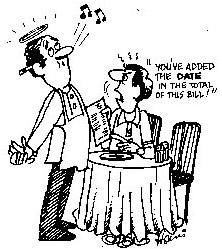
Credit Cards and Traveller's Cheques Credit cards must be chosen wisely after paying due consideration to factors such as cost, acceptability and facilities offered both in direct terms, such as a higher limit on expenditure, and less direct benefits such as hotel discounts and access to airport lounges. Depending on the acceptability of the cards, it can make sense for the traveller to use different cards in different countries. Remember, though, that regular usage of the same card can sometimes help you to chalk up benefits, such as more liberal credit terms. Always check and double-check what you are signing for. A friend once signed a voucher for US$10,000 instead of 10,000 lira while shopping in Italy. Also, check your individual slips against the total on the bill you receive. Similarly, traveller's cheque charges vary depending on the type of cheque, country of issue and specific policy of the issuing company. If traveling as a couple or family, do not acquire traveller's cheques under one person's name. Instead, divide them equally among family members so that they can also use the cheques in an emergency.
Always keep traveller's cheques separately from their receipts so that you have proof of purchase should they get lost. The loss of your air ticket, credit cards or traveller's cheques must be reported instantly.
|